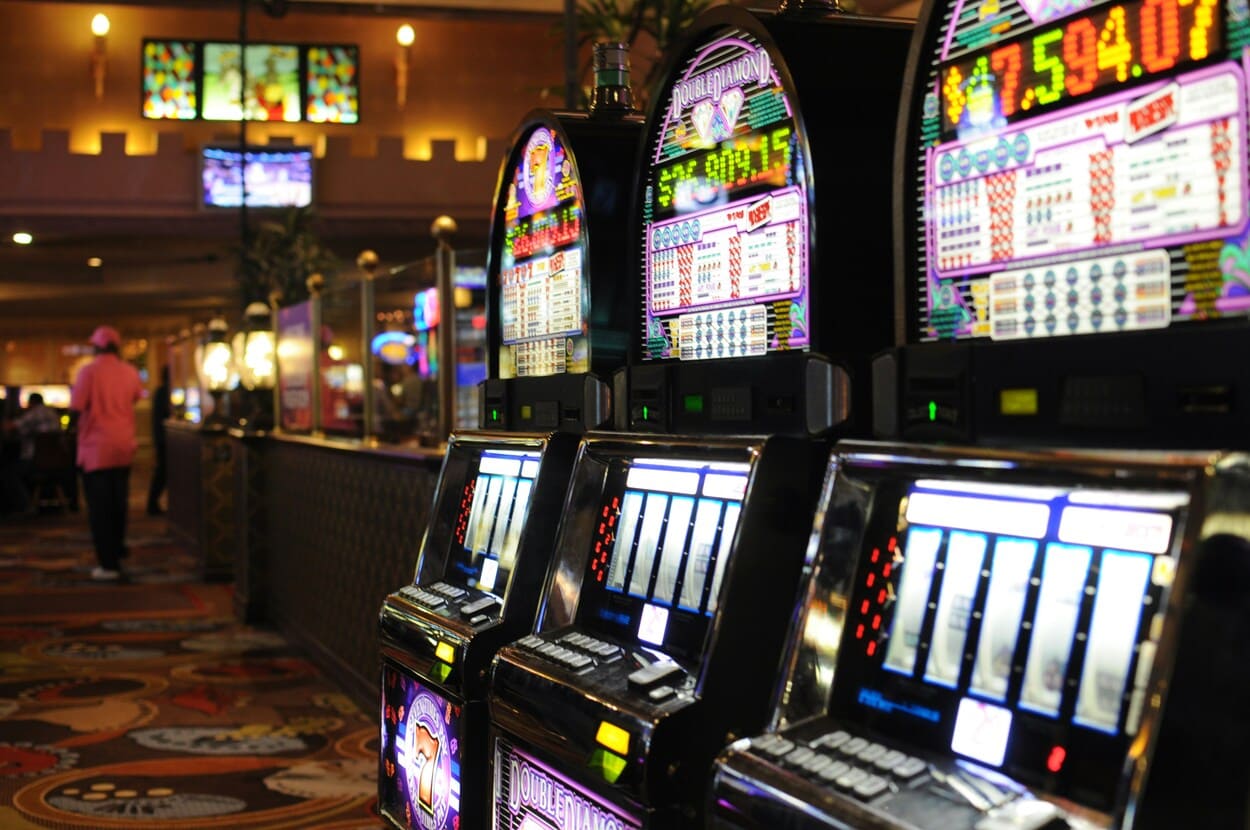
Walk into an Australian pub on a weeknight, and chances are you’ll find a few people having a spin on the pokies or checking the odds for the weekend’s footy. Gambling has shifted from casual bets and race days to an industry worth billions of dollars a year. Horse racing, lottery tickets, pub machines and now online casinos and betting apps all sit side by side in the way many Australians choose to play.
What Does Australia’s Gambling Culture Look Like Today?
Gambling in Australia now lives both on the street and on screens. Pokies still fill pubs and clubs, while online games, live sports betting, and mobile casinos keep growing. iGaming brands like VGW export Australian-made social sweepstakes worldwide.
There is now a crowded field of digital platforms covering slots, tables and live sports. In fact, some of the best options online are designed for Australian players, with local payment methods and smooth access on phone, tablet or laptop.
Behind the scenes, a mix of state rules and federal laws, such as the Interactive Gambling Act 2001, defines what can be offered online. Today’s market grew from decades of regulation, race days and hard lessons about fair play.
Racing, Lotteries and Local Betting Traditions
Australia’s love of a punt runs deep. Settlers and soldiers were betting on horses long before any rules were written down, and the first official horse race was held in Sydney in 1810, setting the tone for the centuries that followed.
Lotteries soon joined the picture. The Golden Casket launched in Queensland in 1916 to raise money for public hospitals, turning a simple draw of numbers into a shared hope for better health services and the chance of a life-changing win.
By the middle of the twentieth century, most states had legal betting agencies. People could wager on the races at the track or through local shops, then swap stories at the pub. Race days and tickets became part of how communities met, talked and relaxed.
Clubs, Pokies, and Casino Growth in the Late 1900s
The scene shifted again in the 1970s and 80s when poker machines moved into licensed venues. At first, they were a new draw for a few clubs and pubs, then quickly became a central reason to visit rather than just a sideline.
States responded with rules on where and how machines could operate. New South Wales moved early, and by the mid-1990s, most states allowed pokies in licensed venues while large casino projects were rolling out across the country.
By the late 1990s, poker machines were part of everyday Australia. New South Wales alone now has over 86,000 machines, more than many entire countries, and in sheer numbers, more slots spread across Sydney suburbs than you will find on the Las Vegas Strip.
How Pokies Changed a Night Out
The boom in machines brought in serious revenue for venue owners and state coffers. Clubs that once survived on beer, raffles and membership fees started to rely heavily on gaming floors to balance their books.
It also changed what a simple night out looked like. Dedicated gaming rooms, loyalty schemes and late trading hours became standard features, and gambling shifted from occasional treat to routine backdrop in the social lives of many Australians.
Online Gambling and the Law
By the early 2000s, gambling had moved beyond clubs and casinos. As home internet spread, online games and betting platforms took off, and the Interactive Gambling Act 2001 stepped in to restrict online casino-style products.
The law still allowed sports betting and lotteries, but offshore sites stayed only a few clicks away. Millions of Australians kept using foreign online casinos, while developers sought ways to comply with local rules while still feeling close to a full casino.
Social casinos and sweepstakes-based models became the main workaround. At the same time, mobile sports betting exploded in popularity and, for many players, quietly replaced the old tradition of walking down to a local bookmaker.
Gambling in Regional vs. Urban Australia in Present Times
In major cities, gambling often centres on big venues. Large casinos, racetracks and busy sports bars anchor the scene, backed by fast digital access to online betting and apps that make it easy to play from almost anywhere.
Out in regional towns, the picture shifts. Local clubs and pubs often act as social hubs, hosting raffles, meat trays and community events, with pokies lining the walls and playing a much bigger role in everyday entertainment.
Gambling Culture Is Growing
Recent figures underline how embedded gambling has become. The latest national data shows that in 2022–23 Australians wagered over AUD $244 billion, with losses reaching around AUD $31.5 billion, with pokies still taking the largest share.
Online betting now stands out more clearly in the mix, especially around major sports and racing events. From same-game multis to in-play markets, many people now keep a betting app close at hand when they follow their team.
For many Australians, gambling is tied to how they socialise and unwind, whether that means a bet on a big match, a local raffle at the club, or a quiet login after work. Over time, that routine presence has helped normalise betting as part of everyday life.