
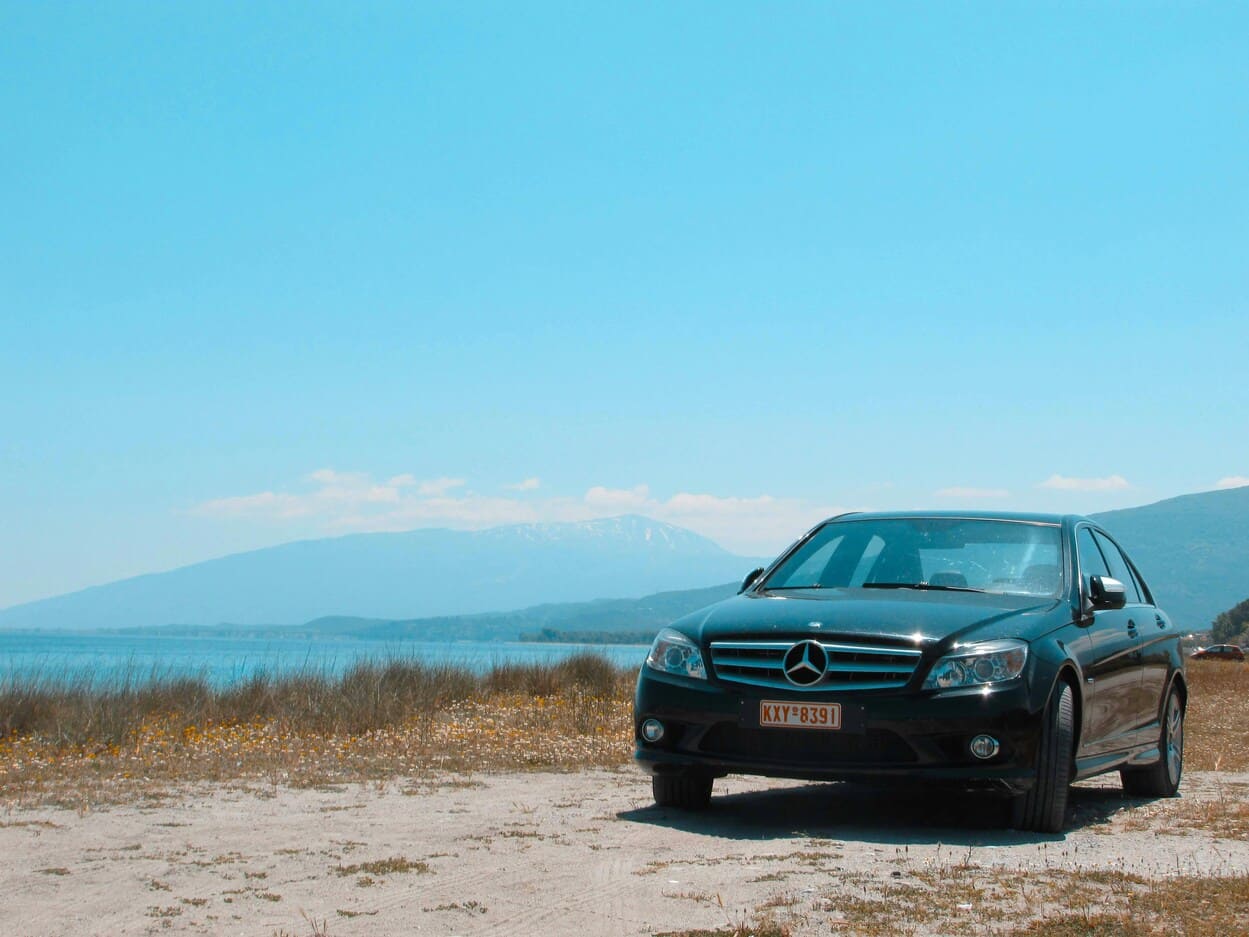
Some cars are built for the long view. They glide through changing light, keep engines calm at a cruise and turn every fuel stop into part of the story. When you pick from true grand touring classics you are choosing comfort, character and reliability over specs that only matter on paper. The right machine makes a coastline feel closer and a weekend feel longer.
What makes a real grand tourer
A proper GT is not only about speed, it is about composure over distance. The best examples balance mechanical refinement with human comfort so you arrive ready to explore rather than stretch.
- Long-legged gearing that keeps revs low at highway pace
- Seats that support shoulders and lower back across hours, not minutes
- Calm steering that holds a line without constant correction
- Suspension that smooths broken tarmac yet still talks to you
- Climate controls and ventilation that work in real heat
- Luggage space that handles two soft bags and a camera kit with room to spare
These ingredients turn a map into a plan you can enjoy.
Match the car to the coastline
Routes have personalities. The car should complement the road rather than fight it.
- Big sweeps and steady winds: a refined V8 coupe with tall gearing and gentle torque
- Tight peninsulas with lookouts and villages: a smooth straight six that likes mid range pull
- Boardwalk towns and scenic pull offs: a classic convertible with a well lined soft top
- Long inland links between bays: a relaxed grand saloon that soaks miles without fuss
Let the route decide the soundtrack. If you expect crosswinds and open vistas, pick a heavier coupe that plants itself. If you plan slow detours and frequent stops, choose something that feels happy at 40 as well as 100.
A simple preparation checklist
Good trips feel light because the work happened before the key turns. Keep prep focused and you will spend your time on views, not hassles.
- Fluids and tyres: check coolant, oil, brake fluid and tyre age, then set pressures cold
- Tools and spares: pack a compact kit, gloves, fuses, a torch and a tyre inflator
- Vision: clean glass inside and out, replace wiper blades, add a small bottle of washer fluid
- Power: carry a jump pack and a spare charging lead for your phone
- Paper: print a simple cue sheet for the day’s highlights in case reception fades
- Comfort: throw in a hat, sunscreen, microfiber towel and a small rubbish bag
Fifteen quiet minutes in the driveway saves an hour on the shoulder.
Plan stops you will remember
Grand touring is not about hammering mileage. It is about rhythm. Build breaks that add to the story instead of feeling like delays.
- Fuel at scenic towns so a quick stop turns into a stretch and a short walk
- Lunch at the second best spot, which is easier to park and just as good
- Vista points that align with light, morning for east facing bays and afternoon for west
- A mid afternoon coffee that resets focus before the last stretch
You will remember the view and the pastry, not the number on the trip computer.
Pack light, travel better
Overpacking kills cabin calm. Choose items that earn their space.
- One small weekender per person and a slim camera bag
- A lightweight jacket that folds into its own pocket
- Soft soled shoes for sensitive pedal feel
- A compact blanket for impromptu picnics at a lookout
- Reusable water bottles so you can refill at each stop
Light cars feel happier and light cabins make drivers sharper.
Rituals that make the drive
The best coastal runs have tiny rituals you can repeat trip after trip. They settle you into the day and create anchors for memory.
- Start at dawn so the road is quiet and colours run cool to warm
- A clean windscreen before the first kilometre and after each dusty pull off
- A favourite playlist for the first hour, then silence while the landscape takes over
- A slow detour down a side road with no agenda
- Five minutes of photos at the same bend so you can watch seasons change
Rituals turn a casual plan into a tradition.
Keep the car happy on the move
Old cars reward simple, steady habits. Treat the machine with respect and it will return the favour.
- Warm up gently, keep revs modest for the first ten minutes
- Cruise with smooth throttle so the drivetrain relaxes
- Use engine braking on long descents to spare the brakes
- Give the car a short cool down at the end of each leg, then check fluids and tyres every morning
A calm driver makes a calm car and a calm car makes a better trip.
A photo list for the glovebox
Memories stick when you frame them on purpose. Keep a tiny list so you bring home more than snapshots.
Trackables that matter:
• The car in shade with water behind it
• A detail shot that shows texture, like stitching or gauges
• A wide scene with a foreground anchor, such as a fence or rock shelf
• The road itself with a leading line into the distance
• One candid of your travel partner at a quiet stop
Five frames are enough to tell the story without turning the day into work.
The quiet advantage
Classic touring rewards preparation, restraint and taste. Choose a car that carries you lightly, plan stops that feed the day and protect the small rituals that make the road feel like home. With a short checklist and a clear route, every coast becomes a string of moments you can drive, see and keep. The odometer moves, the stress does not.


